
Secure Your Social Media Beyond 2FA — Trend Micro ID Security

Author: Trend Micro
This article is from Trend Micro.
With around 4.2 billion of us regularly using social media, it’s clear that we’re more than quite fond of it. We put pretty much every aspect of our lives on the platforms. Where we work, what we had for dinner, what we thought of the latest episode of our favorite TV show — we effectively share every part of our lives with our online friends.
And while social media is great, its use doesn’t come without its security risks. Because so much of our lives and personal data is attached to our online accounts, it makes them prime targets for hackers.
But I have 2FA, so I’m safe, right?
Not at all. Two-factor authentication (2FA) is excellent. In fact, 2FA via SMS blocks 76% of all targeted hacking attacks. Unfortunately, however, it does not give you bulletproof social media security. Far from it, actually.
Back in 2020, hackers gained access to around 130 high-profile verified Twitter accounts and posted Tweets asking for people to send Bitcoin.
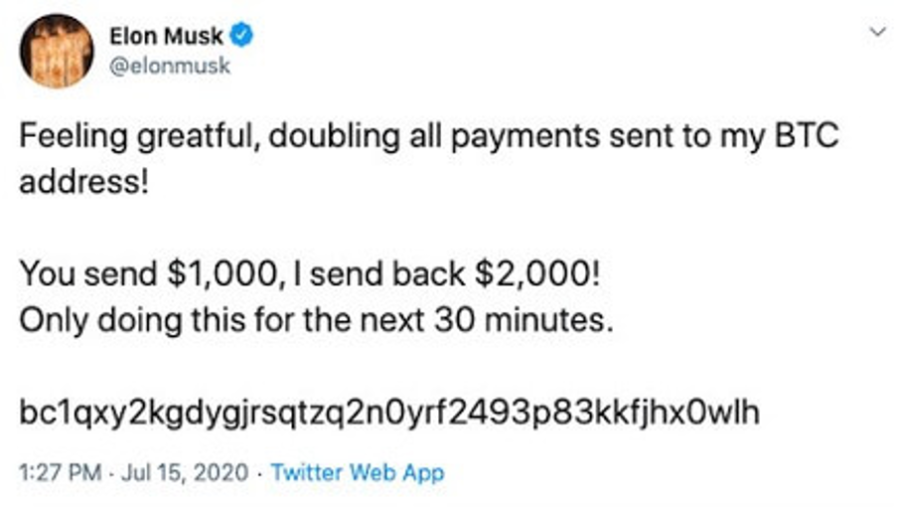
Source: The Verge
Source: The Verge
The hackers were able to log into the accounts of Elon Musk, Joe Biden, Barrack Obama, Apple, and lots of other, seemingly secure accounts. Twitter quickly shut down the hacking operation, but it was made quite clear that no matter who you are, your account can never be 100% secure.
Your data can be leaked even without your account being hacked, too
Hackers don’t even need to be able to log in to your account to leak your data, either — a lot of it can be simply scraped from the web. Web scraping is a technique used to extract data from websites using a software script. No hacking is involved and no emails or passwords are required.
Hackers used web scraping to leak the data of over 533 million people in the recent Facebook data leak. The data was put up for sale on an underground hacking forum, but leaked data is also commonly sold on the dark web.
The Facebook leak resulted in people’s names, dates of birth, phone numbers, and email addresses being posted online for sale, but lots of other personal data was leaked, too.
What criminals can do with your leaked data
If criminals manage to get their hands on enough of your personal data, they could use it to commit many different crimes, both online and offline. Here are just some of them:
- Take out new credit cards under your name.
- Steal your tax refund.
- Take out money from your banking or investment accounts.
- Open new utility or telecom accounts under your name.
- Get medical treatment under your name.
What can I do to protect myself?
So, you’re probably wondering, if your account can never be 100% secure and hackers can scrape your personal data off the internet, what can you do to protect yourself? The answer is simple: Trend Micro™ ID Security.
Trend Micro™ ID Security is the perfect tool for monitoring the internet and the dark web for your personal data — 24/7!
ID Security’s latest feature — Social Media Account Monitoring — guarantees that you will be instantly alerted if your Facebook or Twitter account’s data has been leaked, regardless of whether it was the result of hacking, web scraping, or any other method cybercriminals may use.
Here are some of the other superb features offered by Trend Micro™ ID Security:
- Dark Web Personal Data Manager — Checks if personal data such as your bank account information, driver’s license number, Social Security number, and passport information has been put online or on the dark web.
- Email and Password Checker — If Trend Micro™ ID Security finds your email addresses or passwords have been leaked, it will tell you exactly which accounts were breached so you know which passwords to change.
- Credit Card Checker — Know if someone has stolen your credit card number and leaked it.
What’s best of all though, is that you can currently get your hands on a FREE TRIAL for 30 days — absolutely no catches!
Learn more about Trend Micro™ ID Security and claim your free 30-day trial by clicking here or scan the QR code below to give it a try!
Report a Scam!

Have you fallen for a hoax, bought a fake product? Report the site and warn others!
Scam Categories
Help & Info
Top Safety Picks
Your Go-To Tools for Online Safety
Protect yourself online with our expert-vetted tools and the official ScamAdviser App
- ScamAdviser App - iOS : Your personal scam detector, on the go! Check website safety, report scams, and get instant alerts. Available on iOS
- ScamAdviser App - Android : Your personal scam detector, on the go! Check website safety, report scams, and get instant alerts. Available on Android.
Popular Stories
As the influence of the internet rises, so does the prevalence of online scams. There are fraudsters making all kinds of claims to trap victims online - from fake investment opportunities to online stores - and the internet allows them to operate from any part of the world with anonymity. The ability to spot online scams is an important skill to have as the virtual world is increasingly becoming a part of every facet of our lives. The below tips will help you identify the signs which can indicate that a website could be a scam. Common Sense: Too Good To Be True When looking for goods online, a great deal can be very enticing. A Gucci bag or a new iPhone for half the price? Who wouldn’t want to grab such a deal? Scammers know this too and try to take advantage of the fact. If an online deal looks too good to be true, think twice and double-check things. The easiest way to do this is to simply check out the same product at competing websites (that you trust). If the difference in prices is huge, it might be better to double-check the rest of the website. Check Out the Social Media Links Social media is a core part of ecommerce businesses these days and consumers often expect online shops to have a social media presence. Scammers know this and often insert logos of social media sites on their websites. Scratching beneath the surface often reveals this fu
Disclaimer: This article was originally published in 2018 and has been updated in October 2025 to reflect more current information, resources, and advice. Scams and recovery options continue to evolve, so always double-check with your bank, payment provider, or local consumer protection authority for the latest guidance. So the worst has come to pass - you realise you parted with your money too fast, and the site you used was a scam - what now? Well first of all, don’t despair!! If you think you have been scammed, the first port of call when having an issue is to simply ask for a refund. This is the first and easiest step to determine whether you are dealing with a genuine company or scammers. Sadly, getting your money back from a scammer is not as simple as just asking. If you are indeed dealing with scammers, the procedure (and chance) of getting your money back varies depending on the payment method you used. PayPal Debit card/Credit card Bank transfer Wire transfer Google Pay Bitcoin PayPal Good news: PayPal gives you strong protection. You can file a dispute within 180 days of your purchase. You can get a refund if: Your order never arrives, and the seller cannot provide proof of delivery. The scammer sends you something completely different (e.g., a controller instead of a PlayStation). The product condition was misrepresented (sold as new but arrives used). The item is missing undisclosed parts. The item is counterfeit. Start your claim directly through Pay